Unpacking is an independent puzzle game developed by Witch Beam Studios and first released in 2021. The game quickly attracted the attention of players around the world with its unique gameplay, warm style and deep emotional resonance. In Unpacking, players need to experience important moments in the protagonist's life by organizing and arranging the room. The game cleverly combines puzzle solving with narrative, telling a growth story full of personal emotions in a wordless way.
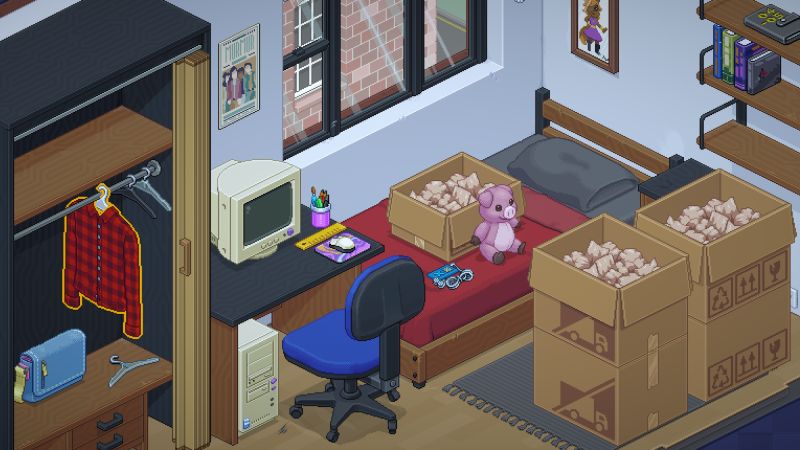
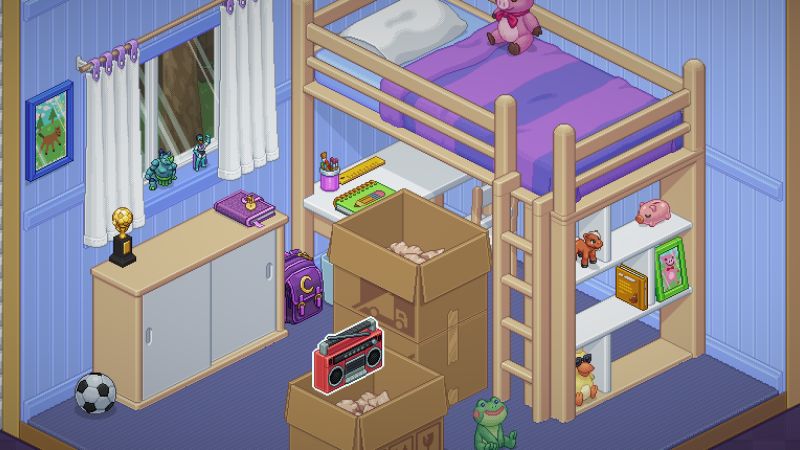
The core setting of Unpacking revolves around the theme of organizing. Players need to take boxes of items out of moving boxes and place them in the right place. The narrative technique of the game is extremely unique. There is no text dialogue and direct plot development. Instead, the life trajectory of the character is shown through the placement of objects and the changes of scenes. Players start in a little girl's room. As the game progresses, they experience important relocation moments in her life, such as going to school, graduating, moving, falling in love, breaking up, career development, etc. The changes in each scene imply the growth of the character and the changes in life. Players can feel her joys and sorrows through the location and arrangement of objects.
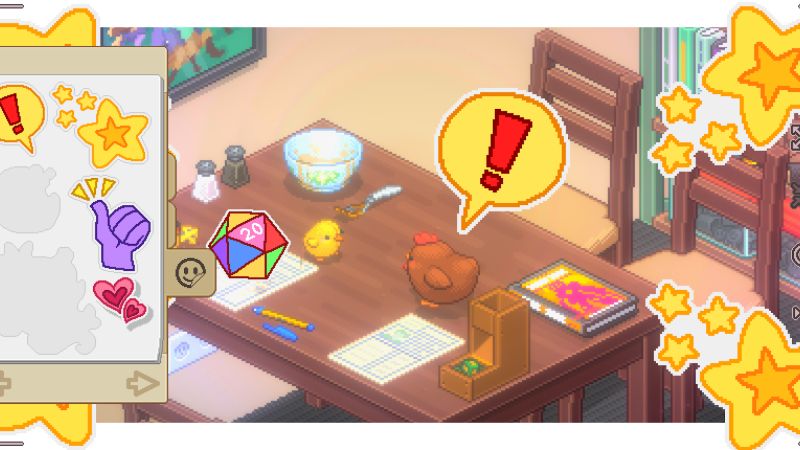
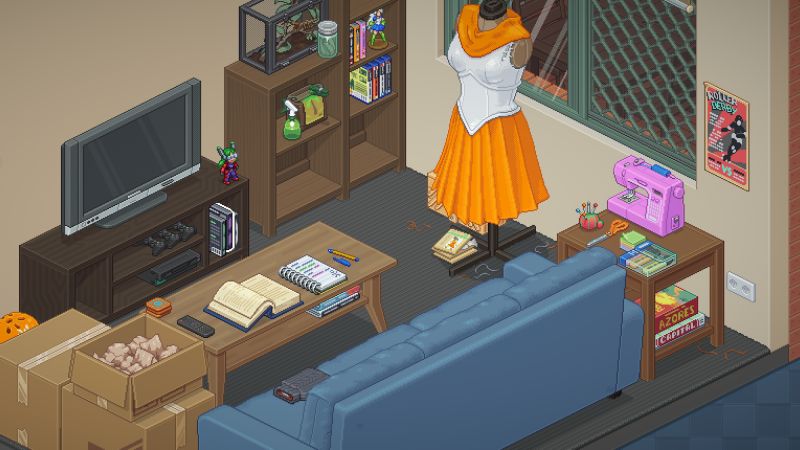
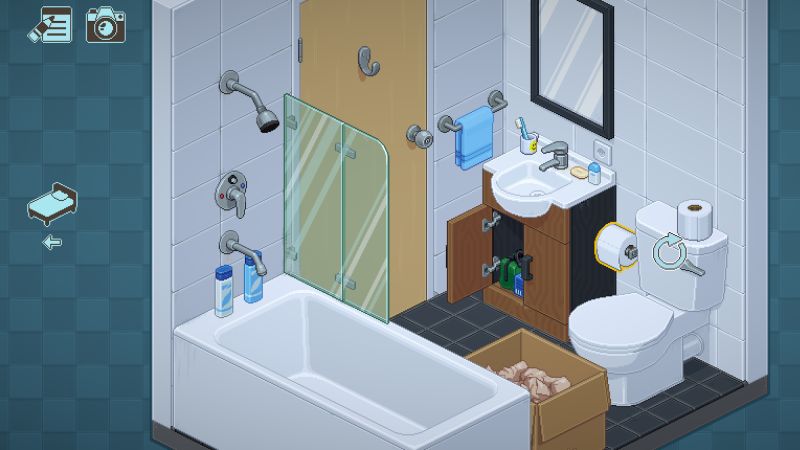
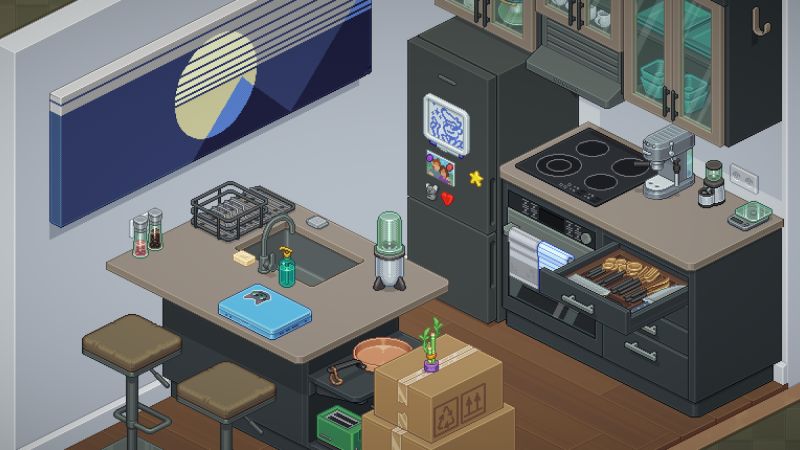
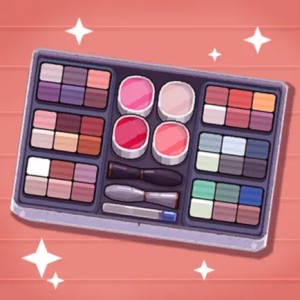
Unpacking uses a delicate pixel style, and the design of each item is very detailed and recognizable. Whether it is books, clothes, toys, or kitchen utensils, electronic equipment, these items are carefully designed, not only realistic in appearance, but also with a strong sense of the times. Every room is full of life, from the bedroom to the living room, from the kitchen to the bathroom, every detail is real and warm. In terms of music, the background music of the game composed by Jeff van Dyck is soft and soothing, which perfectly fits the quiet atmosphere when tidying up the room and brings players a peaceful emotional experience.
The gameplay of Unpacking seems simple, but it is full of fun and challenges. Players need to open each moving box, take out the items and find a suitable place to put them. The placement of items needs to consider the layout and function of the room, such as books should be placed on the bookshelf, clothes in the closet, and kitchen supplies should be placed in the kitchen. The challenge of the game is that although there are no strict rules, some items must be placed in a specific area to continue the game, which requires players not only to have the ability to organize, but also to understand the usage scenario of each item.
As the game progresses, the types and quantities of items will increase, and the difficulty and complexity of sorting will increase accordingly. For example, players may need to place a large number of items in a limited space, which not only tests the player's spatial planning ability, but also requires them to make reasonable choices in the context of the character's story. In addition, the order in which the items are placed often implies the emotional state of the character, and the change of position of certain items may imply the psychological changes and life changes of the character.
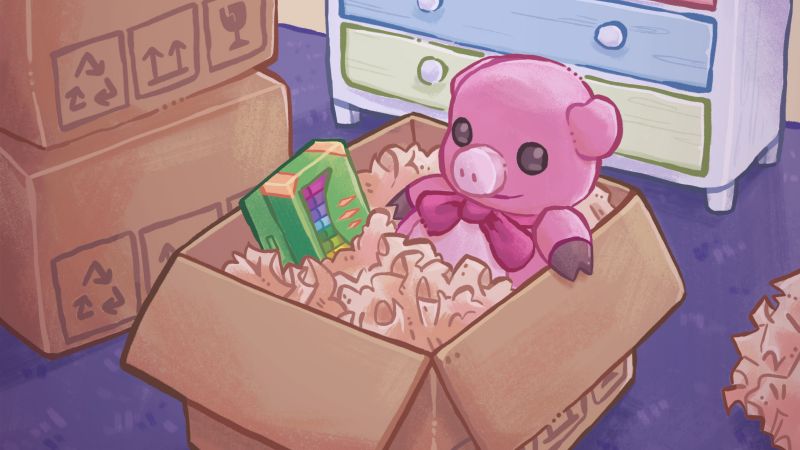
The narrative of Unpacking is extremely obscure and powerful. Through the changes of items and the layout of the room, the player gradually pieces together the life story of the protagonist. For example, some precious toys have been with the character from childhood to adulthood, while some items have been abandoned or replaced due to life changes. These details show the character's growth, hobbies, frustrations and hopes. Through sorting and placing, the player is not only experiencing the game process, but also having a silent dialogue with the character, understanding her experience, and feeling her joys and sorrows.
Without direct plot description, the game cleverly uses items to tell a story about growth and self-discovery. Every time you move, the changes and placement of items reflect the important nodes and mood changes in the protagonist's life. This metaphorical narrative technique allows players to feel a strong emotional resonance during the process of sorting.